For as long as I can remember, I have been fascinated by one question:
How do we communicate with the systems that shape our lives?
Everything I have done—from traditional pottery and contemporary art to sociology, education, and the study of interactions—has been an attempt to explore different expressions of that same idea.
Through ceramics, painting, installation, writing, and interactive environments, I am interested in the invisible conversations taking place around us: between material and technics, people and nature, bodies and technologies, traditions and innovations, individuals and communities, human intention and algorithmic decision-making, between physical and abstract, how communication constructs reality, how systems influence what can be seen, said, remembered, or ignored, and how identities emerge through continuous interaction rather than fixed definitions.
My work explores these negotiations and the consequences of them. My ceramics, my installations, paintings, writing… that’s all communication. But rather than asking what communication is, my work asks: What kind of world does communication create?
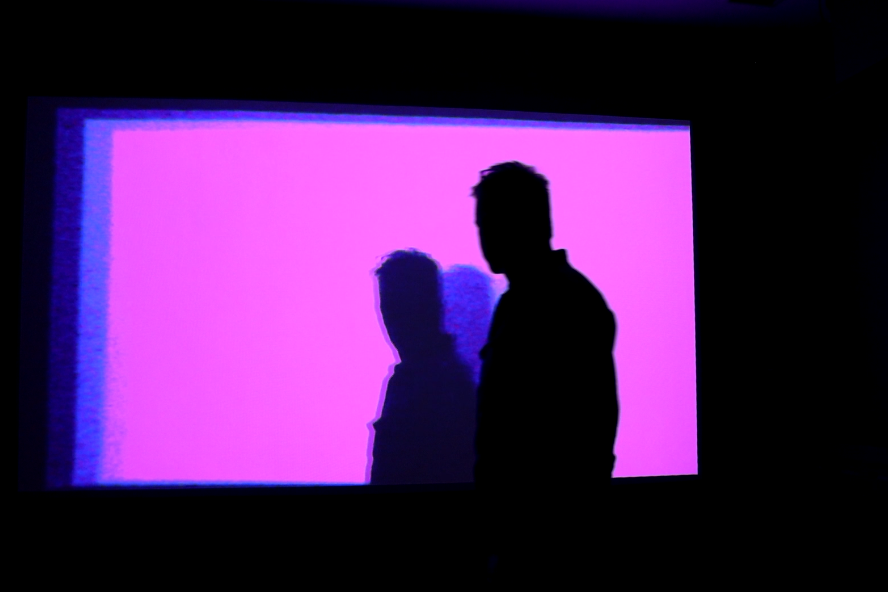
The visual language of my work reflects these ideas through thresholds, containers, doors, empty chairs, layers, traces, balance, interruption, and participation. These are not (only) symbols to decode but situations to experience. They invite viewers to become active participants, recognising how communication itself structures belonging, exclusion, authority, memory, and power.
And I believe art is not simply a way of expressing ideas. It is itself a communication system—a living language through which we negotiate meaning, relationships, and our place within increasingly complex social and technological environments.
My practice seeks to make these invisible conversations visible, helping us understand not only how we communicate with the world, but how the world communicates back to us.